January 11, 2026
Opinion/Guest column: No place for sexual harassment in housing
BY Worcester Telegram & Gazette
As fair housing attorneys and tenant advocates, we see that one of the most troubling issues our clients face is sexual harassment by their landlords. This can take different forms but most commonly it occurs when landlords or property managers exert their status or power over a vulnerable tenant ‒ often a woman, a trans person or a nonbinary person ‒ in a sexualized way.
For instance, a single mother who falls behind in rent is offered rent forgiveness or a reduction in rent in exchange for providing sexual favors for the landlord. Or a landlord offers to forgo eviction in exchange for sexual favors, and when the tenant refuses, the landlord brings an eviction action. Or a tenant might go along for a while because she has no good options, then ends the sexual relationship, and the landlord files an eviction action in retaliation.
Harassment can be more subtle: A landlord stops by the tenant’s apartment frequently and when she doesn’t answer, he lingers outside her door waiting for her. He calls frequently “just to say hello” since he knows she lives alone. When he sees the tenant, he asks about her personal life or her dating life, and makes statements about how she looks. He says if she needs anything, even in the middle of the night, she can always call him. At the same time, he is also ignoring the tenant’s requests for repairs and ignoring her clear requests that he stop calling and knocking on her door. This behavior often escalates slowly over time.
These are among the types of scenarios we see as tenant advocates. But this type of misconduct is illegal under the Fair Housing Act and state antidiscrimination law. These laws prohibit discrimination based on sex, which includes sexual harassment and creating a hostile housing environment. However, many tenants who experience this kind of sexual harassment – particularly those with fewer financial resources – often feel powerless to report harassment for fear of eviction, retaliation or homelessness. The result is that the sexual harassment continues, the landlord successfully pressures a tenant into enduring the harassment and abuse, the tenant gets evicted, or the tenant moves out voluntarily to avoid further harassment.
Tenants should not have to choose between enduring sexual harassment and abuse in their home and being without a home. Community Legal Aid is committed to shining a light on this issue through representing tenants in court and participating in community outreach to raise awareness of this issue.
In October, Community Legal Aid’s Fair Housing Project partnered with Western New England University’s Women’s Law Center and the law firm of Heisler, Feldman & Ordorica for a community conversation and training on sexual harassment in housing. Hampden County organizations Springfield No One Leaves and Alianza joined the conversation, sharing experiences and resources with attendees and forming connections across organizations.
Tenants have the legal right to be free from sexual harassment in their homes. But this right only matters if it is protected. Combating sexual harassment in housing must be a priority – not just for those directly affected but for the betterment of society as a whole. Help us work toward this future by staying informed, educating those around you and speaking out when you witness injustice.
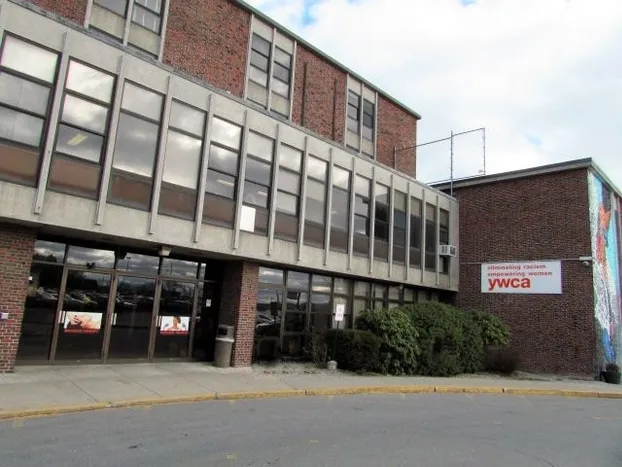
To learn more, join Community Legal Aid, Safe Exit Initiative, Pathways for Change and the YWCA for a “Know Your Rights” training and community discussion about sexual harassment in housing from 1 to 3 p.m. Tues., Jan. 20, in the boardroom at the YWCA, 1 Salem Square, Worcester. If you are interested in partnering with Community Legal Aid to host a similar community discussion in Central or Western Massachusetts, call the Fair Housing Project at 855-252-5342.
If you are a tenant and have been subjected to sexual harassment by your housing provider, you have rights under the fair housing laws. Contact Community Legal Aid at 855-252-5342 or communitylegal.org/get-help/ to learn what legal assistance may be available.
Michelin Cahill is the senior supervising attorney for Community Legal Aid’s Fair Housing Project in Worcester County. Gabriel Fonseca is senior supervising attorney for Community Legal Aid’s Fair Housing Project in Western Massachusetts.
About
Newsletter Sign-Up
Sign-up to receive Justice Matters, Community Legal Aid’s monthly newsletter!