March 27, 2026
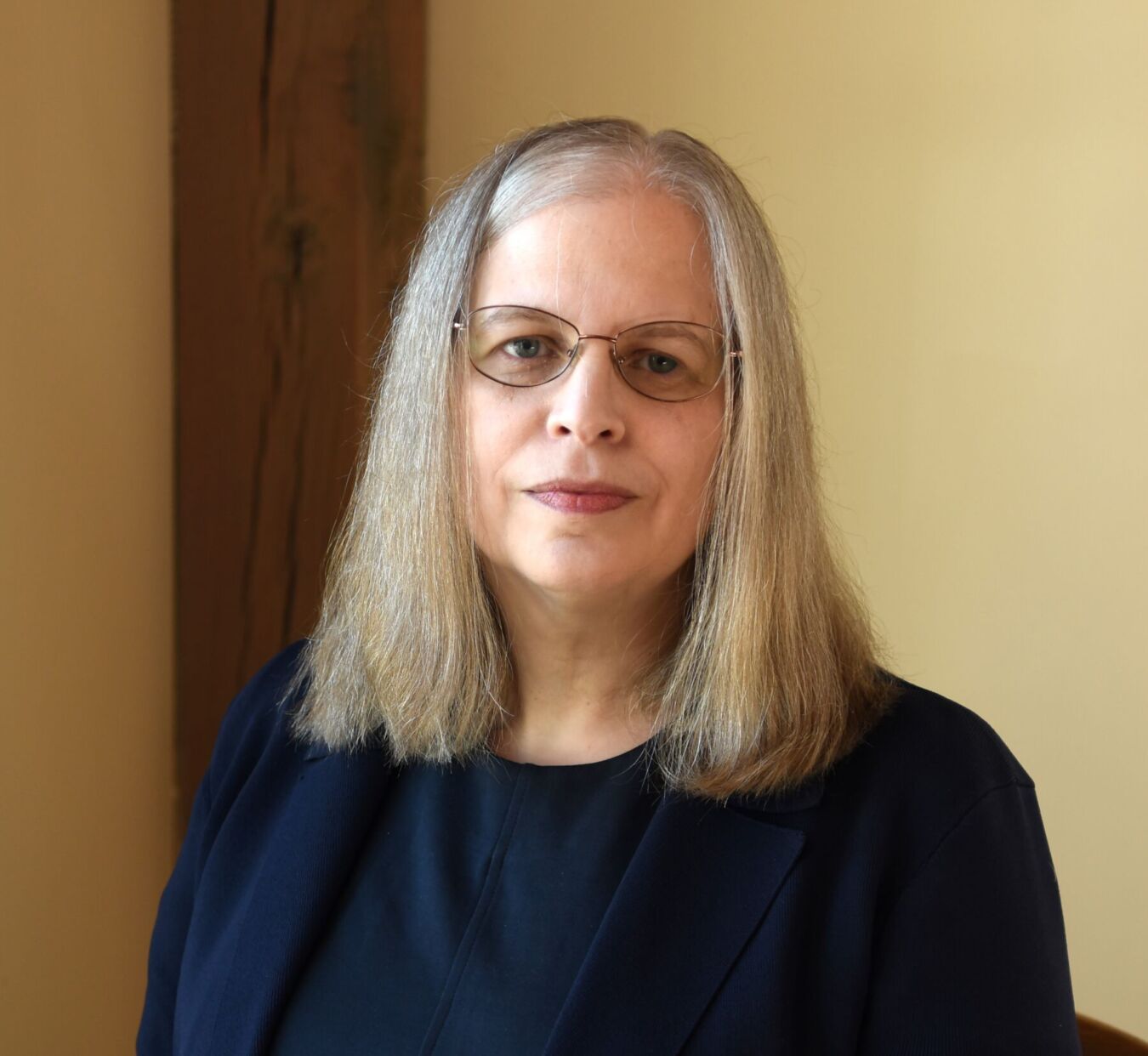
Why Elder Law: An Interview With Alice Bers, J.D.
BY National Academy of Elder Law Attorneys
Why Elder Law: An Interview With Alice Bers, J.D.
NAELA News January/February/March 2026 Member Perspectives
What does it mean to practice elder and special needs law right now?
We asked four NAELA members, including Alice Bers,
Director of the Massachusetts Medicare Advocacy Project at Community Legal Aid
How would you explain elder law to someone who is unfamiliar with the law?
This might be one of the harder questions to answer. Elder law is anything that deals with the legal needs of older adults. It crosses a lot of substantive areas of law. Traditionally, people think about estate planning, estate administration, wills and trusts, long-term care planning, maybe guardianship, and elder abuse topics. But it actually encompasses so many other areas.
From my perspective as a former legal aid attorney and currently as a Medicare advocate,1 it also includes housing, benefits, health care, family law, nursing home rights, and the laws and policies that affect all those topics. And when we say elder law, it often means services for people with disabilities as well, regardless of age. It is defined by the need of the client as opposed to saying, “Here is the substantive issue that I have expertise in or that someone might have expertise in.” This is an area of the law that is defined by the needs of a group of people.
When did you know you wanted to become an elder law attorney?
For me, it really happened somewhat by accident as an outgrowth of the work I was doing as a legal aid attorney. I had been doing general public benefits work and then started working almost exclusively on Medicare advocacy. That’s what brought me into working with clients who were mostly older adults, although younger people with disabilities as well. That was my entryway into this field, doing Medicare work.
I also spent a few years in private practice doing more traditional elder law work, such as estates and long-term care planning. But for me, my work on behalf of older adults and people with disabilities has primarily come through Medicare advocacy.
That is probably a more unusual path into elder law. There are not many private attorneys who do Medicare work, and even in the public interest legal aid world, there are relatively few. So, it’s a little bit of a different angle into elder law.
As you transitioned almost exclusively to Medicare work, was there a point when you knew this was a good fit for you or that you wanted to continue on this path?
I think I knew it was a good fit because I already knew that benefits work was a good fit for me. I feel comfortable working with complex regulatory systems, and little did I know at first just how complex Medicare is. It is one of the most complex regulatory systems out there.
There are several examples of courts saying funny things in their decisions about how complicated the Medicare statute and regulations are, but I think the combination of benefits work and helping people navigate complicated systems was something I enjoyed, so Medicare really was a good fit in that sense.
How has elder law grown as a field during the time you have been in it?
For elder law in general, I think there has been more of a recognition of the many different areas of life that the law touches for older adults. Now, when people say elder law, they are not necessarily just thinking about estate planning and estate administration. They’re thinking more broadly about other topics.
Also, as a field, we’ve gotten somewhat better about recognizing generally the civil and human rights of older adults and people with disabilities, and trying to avoid paternalistic attitudes toward those communities. We still have work to do there, but we have grown in that recognition by listening to the disability community, listening to the older adult community, and taking cues from those communities in terms of where our work is focused.
What do you consider the most pressing issues within elder law today?
I would say ease of access to robust and affordable health care. This comes from my Medicare work, clearly, and that includes long-term care services and supports and end-of-life care. There are too many people who struggle with our fractured system of health care delivery. It’s extremely complicated, even for people with resources.
We need a streamlined system of care. We need guaranteed access to long-term care for people who need it; the ability to age at home, with support, in the community; or safe and dignified care in facilities for people who do not have the option of being in the community.
After that I would say, generally, economic security and the housing crisis for older adults. Housing is expensive for everyone but particularly for older adults. There’s a lack of housing that is suitable for older adults, and people over 50 are the fastest-growing group of people experiencing homelessness.
You can see that I’m coming at this from a policy angle; these are the issues that I think are most pressing.
What brings you joy in your work?
I would say it’s both the general and the specific. By that I mean being able to have an effect on a policy or practice of, for example, the Medicare agency that will impact a lot of people. As Litigation Director at the Center for Medicare Advocacy, I help my organization bring cases that try to improve Medicare policies, make them more fair, and ensure that people’s rights are recognized.
We had a case I worked on for a very long time that was able to establish a right to appeal for people who were subject to “observation status” in hospitals. There was an article about that in NAELA News. That’s an example of something general, but then in terms of the specific, it’s seen in how we can help bring peace of mind to an individual and their family by getting coverage for a critically needed medication.
There was another court case where we were able to get Medicare coverage for someone who needed a medication that was considered off-label, meaning it was prescribed for a purpose other than one approved by the FDA. It’s a very common practice in the medical field, but it means there can be Medicare coverage issues. We were able to get Medicare coverage for that medication, and then the person did not have to spend hundreds and hundreds of dollars they could not afford.
So, both the specific and the general bring joy.
A very nice thing about my position as Litigation Director is being able to see the individual cases we have, hear from other advocates around the country and the individual cases they are seeing, and identify patterns where litigation might be able to make a difference. Generally, litigation is one of the tools in the toolbox, and it is usually what you go to as a last resort. You try other types of advocacy with the agency, and you try talking to representatives in Congress, but if you cannot get anywhere through those efforts, then litigation can sometimes be a useful tool.
What is your hope or vision for the future of elder law and where it is headed?
It’s an interesting question because there are so many different types of elder lawyers. For folks who focus on systemic issues, policy, and litigation, I hope the future will bring more focus on those issues I mentioned earlier: health care, economic security, and bringing stability to the lives of older adults and people with disabilities.
For folks who are private attorneys out in the trenches, representing individuals and doing traditional elder law work, I think it’s continuing to have an expansive view of what elder law is and maybe being even more connected as a community so we are all talking to each other and hearing from each other — private attorneys hearing from people who are working on policy and systemic issues and also from people who are working in nonprofit settings, like legal aid. They can help each other where it makes sense to do so. Essentially, ensuring some of the silos are brought down.
We talked in the beginning about how many areas of law this field crosses, and there are so many types of elder law attorneys, so my hope is that there is more and more communication among them. We can all listen to and learn from each other.
At the time of this interview, Alice Bers was Litigation Director at the Center for Medicare Advocacy. She is currently Director of the Massachusetts Medicare Advocacy Project at Community Legal Aid.
About the Author
Hannah Shin is a senior at Harvard College who was admitted into the Harvard Law School Class of 2031 through the Junior Deferral Program. Hannah started the “Why Elder Law” attorney interview series to spotlight the many paths a career devoted to elder law can take and to emphasize common themes that tie them together.
About
Newsletter Sign-Up
Sign-up to receive Justice Matters, Community Legal Aid’s monthly newsletter!